 Save
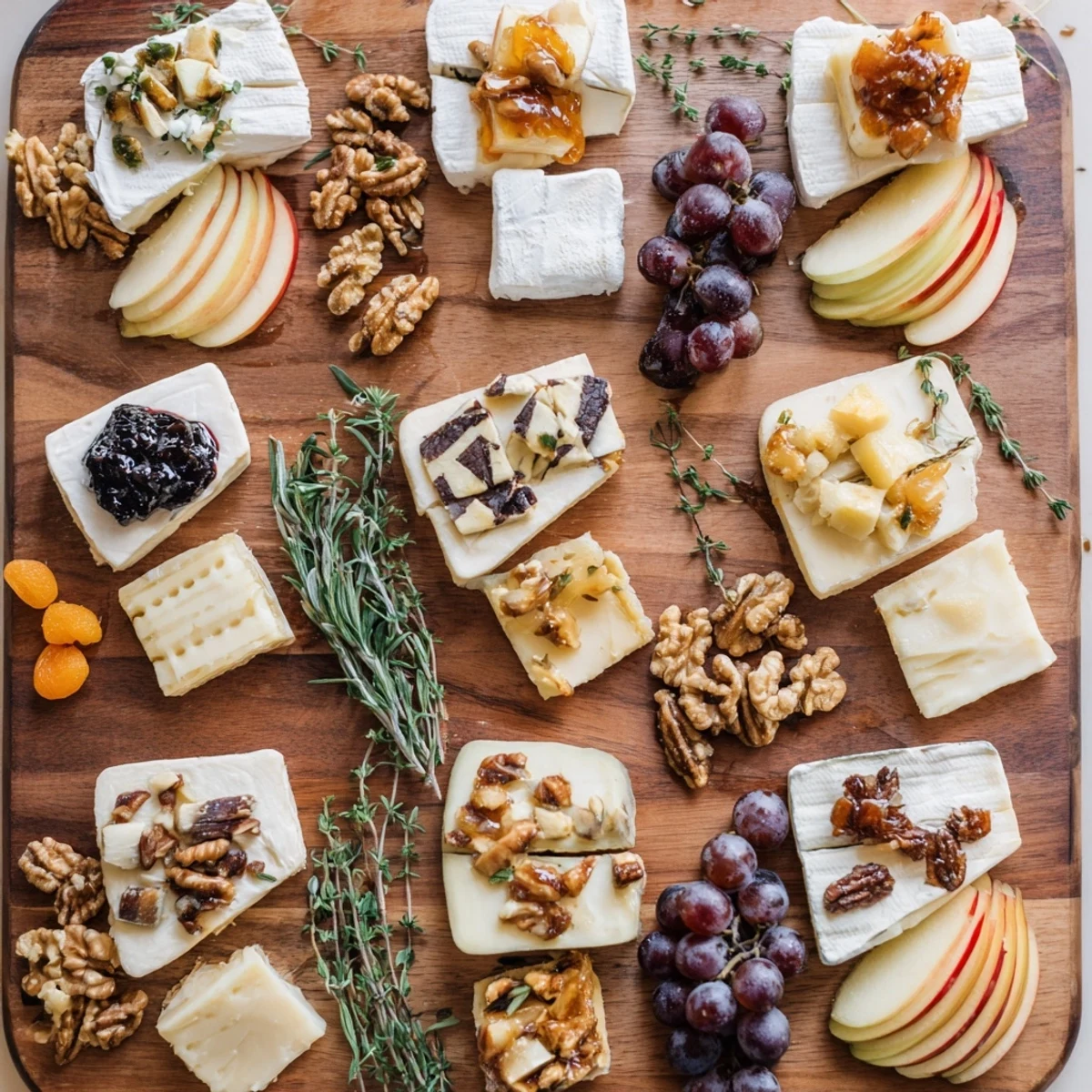
Save I'll never forget the winter my friend brought a cheese board to our holiday gathering that changed everything. Instead of the standard arrangement, she'd divided it into twelve stunning sections—one for each day of the season's celebration. I watched guests light up as they discovered each new flavor journey, and I realized that a cheese board could tell a story. That moment taught me that the best entertaining isn't about complexity; it's about thoughtfulness and creating little moments of discovery for everyone at the table.
I remember setting this board up for the first time at a small dinner party, nervous that the ambitious twelve-cheese concept might feel pretentious. Instead, I watched a shy guest in the corner systematically taste each section, eyes closed, discovering that she had strong opinions about Roquefort and honey. By the end of the night, she'd guided three other people through her favorites. That's when I understood this board wasn't fancy—it was democratic, inclusive, and somehow made everyone feel like a cheese connoisseur.
Ingredients
- Brie (50 g): This creamy, buttery cheese is your gentle entry point—mild enough to welcome anyone into the cheese journey, especially when paired with the sweet kiss of honey
- Aged Cheddar (50 g): Sharp and complex, it's the cheese that makes you pause and savor, especially when you pair it with something sweet like fig jam to play off its boldness
- Manchego (50 g): Nutty and slightly salty with a firm texture, it teaches you what Spanish cheese personality feels like and balances beautifully with delicate accompaniments
- Roquefort or Blue Cheese (50 g): The brave choice that divides the room in the best way—peppery, bold, and unforgettable when you find the right pairing partner
- Goat Cheese (50 g): Tangy and bright, it's the palate cleanser that makes you appreciate the subtler notes in cheese tasting, best with fresh herbs to highlight its character
- Gruyère (50 g): Rich and complex with subtle sweetness, it's the cheese that proves good things come from patient aging and pairs perfectly with whole grain mustard's sharp bite
- Camembert (50 g): Soft, earthy, and velvety, it deserves a quiet moment with something crisp like an apple slice to let its flavor shine without competition
- Gouda (50 g): Smooth and slightly sweet with caramel notes, it's surprisingly playful and loves unexpected partners like dark chocolate—trust your instincts on this one
- Comté (50 g): Butterscotch undertones make this French cheese feel indulgent, and it somehow makes humble grapes taste like they belong in a fine dining restaurant
- Pecorino (50 g): Sharp, salty, and unapologetically italic in personality, it's the cheese that teaches you about terroir and transforms simple pear slices into something memorable
- Havarti (50 g): Creamy, sweet, and buttery, this Danish cheese is the reliable friend who gets along with everyone, especially fig jam and almonds
- Smoked Cheese such as Smoked Provolone (50 g): Bold and aromatic, it's the wild card that adds depth and reminds you that smoke and chocolate can be culinary soulmates
- Artisanal bread or assorted crackers (12 slices): Your vehicle for tasting, your canvas for building flavor—choose ones with character that won't overpower the cheese
- Honey (2 tbsp): The golden bridge between sweet and savory, drizzled thoughtfully to complement creamier cheeses and add sophistication to simple fruits
- Fig jam (2 tbsp): The sophisticated matchmaker that understands aged cheeses deserve something with depth and history
- Whole grain mustard (2 tbsp): Sharp and seedy, it's the wake-up call that transforms hearty cheeses like Gruyère into something unforgettable
- Seedless grapes (24): Their sweetness and juicy burst provide contrast and cleanse the palate between richer cheese experiences
- Dried apricots (12): Chewy and concentrated sweetness that pairs surprisingly well with the earthiness of Gouda and other golden-hued cheeses
- Walnut halves (12): Toasty and slightly bitter, they add textural interest and ground the sweeter pairings with earthy sophistication
- Toasted almonds (12): Crunchy, buttery, and mild enough not to compete, they're the textural element that makes each bite feel more intentional
- Fresh apple slices (12): Crisp and naturally sweet, they're the refreshing pause button between bold flavor experiences
- Fresh pear slices (12): More delicate than apples, they whisper elegance and pair especially well with blue cheeses and aged varieties
- Dark chocolate pieces (12): A surprising partner that proves chocolate belongs on cheese boards and creates moments of delicious discovery
- Cornichons (12): Tiny and vinegary, they're the palate cleansers that reset your taste buds and remind you why contrasts matter
- Fresh herbs like thyme and rosemary: More than garnish, they're flavor whispers that ground the board in culinary intention and add an aromatic welcome
Instructions
- Plan your canvas:
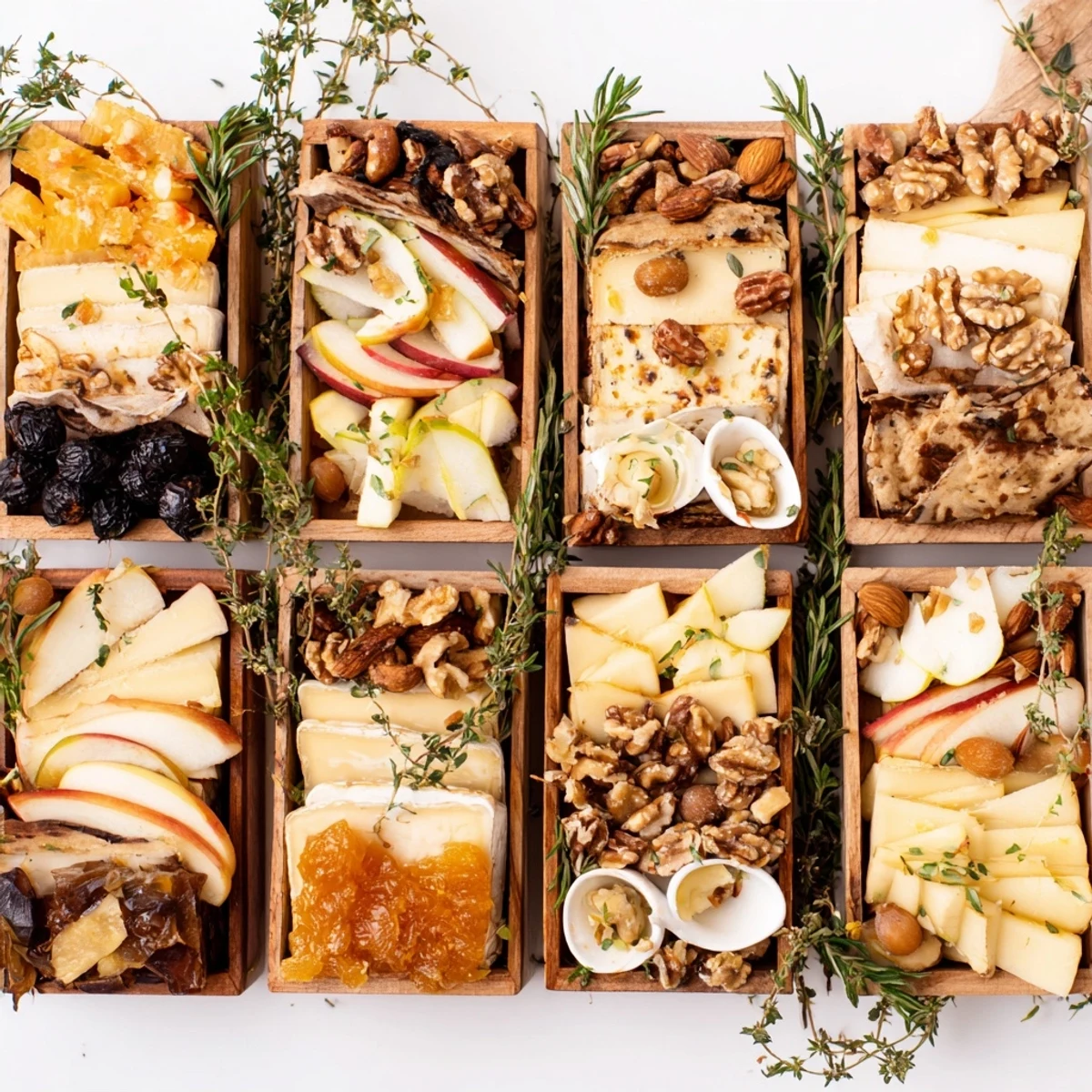
- Take your large serving board and spend a moment imagining it as twelve distinct regions. You might use small ramekins, arrange them in a circle, or simply visualize lines—whatever helps you feel organized and confident
- Divide with intention:
- Create twelve sections that feel balanced and spacious. This isn't about cramming; it's about giving each cheese its moment to shine. Leave breathing room between sections so flavors don't blur together
- Position each cheese thoughtfully:
- Start with your mild cheeses—Brie, Havarti, Camembert—so guests can build confidence. Follow with medium cheeses, then reserve the bold ones (Roquefort, aged Cheddar) for the adventurous palates later in the tasting journey. Cut larger cheeses into bite-sized pieces, but keep wedges intact when they tell a prettier story
- Create the first pairing:
- Take your Brie section and add a small spoonful of honey, a slice of apple, and one toasted almond. Step back and notice how the colors complement each other—this visual harmony matters as much as taste
- Build momentum through the board:
- Continue with aged Cheddar and fig jam with a walnut, Manchego with almonds. Let each section build on the last, varying textures and colors so your eyes enjoy the journey as much as your mouth will
- Honor the blue cheese moment:
- Roquefort deserves respect—pair it with pear slices and a walnut. The delicate fruit balances the cheese's boldness perfectly, creating a flavor moment that feels almost orchestrated
- Balance sweet and savory:
- Ensure no two adjacent sections have the same flavor direction. A creamy and sweet section next to something sharp and tangy keeps the board interesting and the tasting experience dynamic
- Add the crackers strategically:
- Arrange bread and crackers around the board's perimeter, close enough to each section that guests can easily build a bite, but not so close they interfere with your beautiful arrangement
- Finish with fresh garnish:
- Scatter small sprigs of fresh thyme and rosemary across the board. These aren't just decoration—they add a whisper of aroma and hint at the culinary thought you've put into this creation
- Serve at the right temperature:
- Remove your board from the refrigerator 15 minutes before serving. Room temperature allows each cheese to express its true personality, to become creamy where it should, and to reveal flavors that cold masks
 Save
Save Years ago, a guest at one of my boards was a cheese vendor who'd traveled through France and Spain. She took one taste of the Pecorino and pear combination and got this faraway look in her eyes. Later she told me that pairing had transported her back to a small market in Tuscany where she'd first fallen in love with Italian cheese. That's when I realized that a well-made cheese board isn't just food—it's a time machine that gives people permission to remember joy.
The Story Behind Each Day
Each section of this board represents not just a different cheese, but a different flavor philosophy. The first few days—represented by Brie, Havarti, and Camembert—are your gentle introduction, meant to build your confidence and let you ease into bolder territory. These are the cheeses that whisper rather than shout, that remind you comfort is just as important as complexity. By day six, with Gruyère and its sharp partner whole grain mustard, you're ready for sophistication. And by the final days, Roquefort and smoked cheese are there for those who've discovered they love adventure on a plate. There's an intelligence to this progression that mirrors how we approach tasting and life itself—we start soft, build understanding, and end transformed.
Wine and Beverage Pairings That Matter
The right drink transforms a cheese board from good to unforgettable. Sparkling wine is the safest choice—its acidity and bubbles cleanse your palate between bold flavors, and its inherent celebration matches the festive spirit of this board. Light red wines work beautifully if your crowd leans toward deeper flavors; a Pinot Noir or lighter Burgundy won't overpower the delicate cheeses. If you want something unexpected, try a dry cider—it has the sweetness to complement creamy cheeses but enough tannic structure to stand up to sharp ones. Cold apple cider, tea, or even sparkling water work if you're serving this for a midday gathering or non-drinking guests. The trick is choosing something that enhances rather than competes, that makes the cheeses taste better rather than fighting for attention.
Creating Your Own Twelve Days Tradition
The magic of this board is that it's endlessly customizable while keeping its structure intact. You might swap cheeses based on season—spring goat cheeses, summer aged varieties, autumn smoked cheeses. You could honor twelve countries by choosing cheeses from different regions. Or you might build twelve sections around the people you love, selecting cheeses that match their personalities. The frame stays the same; the story changes every time. I've learned that the best entertaining traditions aren't rigid recipes—they're templates that let you paint with ingredients, that give you structure to express your own creativity.
- Choose at least one cheese completely new to you—that's how we grow our palate and discover unexpected favorites
- Buy whole pieces and cut them yourself rather than pre-sliced whenever possible—they taste better and you'll feel more connected to the food
- Prep the board no more than two hours before serving; fresh fruit discolors and certain pairings lose their zing if they sit too long
 Save
Save This board teaches us that hospitality isn't about perfection—it's about thoughtfulness. Every element, from the smallest cornichon to the most elegant aged Comté, sends a message to your guests that you've considered their experience. That's the real twelve-day gift.
Recipe FAQ
- → What cheeses are included in the board?
The board features Brie, Aged Cheddar, Manchego, Roquefort or Blue Cheese, Goat Cheese, Gruyère, Camembert, Gouda, Comté, Pecorino, Havarti, and a Smoked Cheese.
- → How should the cheeses be paired?
Each cheese is paired with complementary accompaniments such as honey with Brie, fig jam with Aged Cheddar, quince paste with Manchego, and dark chocolate with Smoked Cheese, enhancing their flavors.
- → Can this board accommodate dietary preferences?
Yes, by selecting suitable plant-based cheeses, the board can be adapted for vegan guests. Gluten-free crackers can also be used as alternatives.
- → How do I serve this cheese board?
Arrange all components on a large serving platter, keeping each cheese and its pairing in distinct sections. Serve at room temperature to bring out the cheeses' full flavor.
- → What drinks complement this cheese spread?
Sparkling wine, light red wines, or cider pair wonderfully with the diverse cheeses and accompaniments, balancing richness and enhancing the tasting experience.
- → Are there allergen considerations to keep in mind?
This board contains dairy, tree nuts like walnuts and almonds, gluten from bread or crackers, and possible soy traces in some chocolates. Check individual product labels accordingly.