 Save
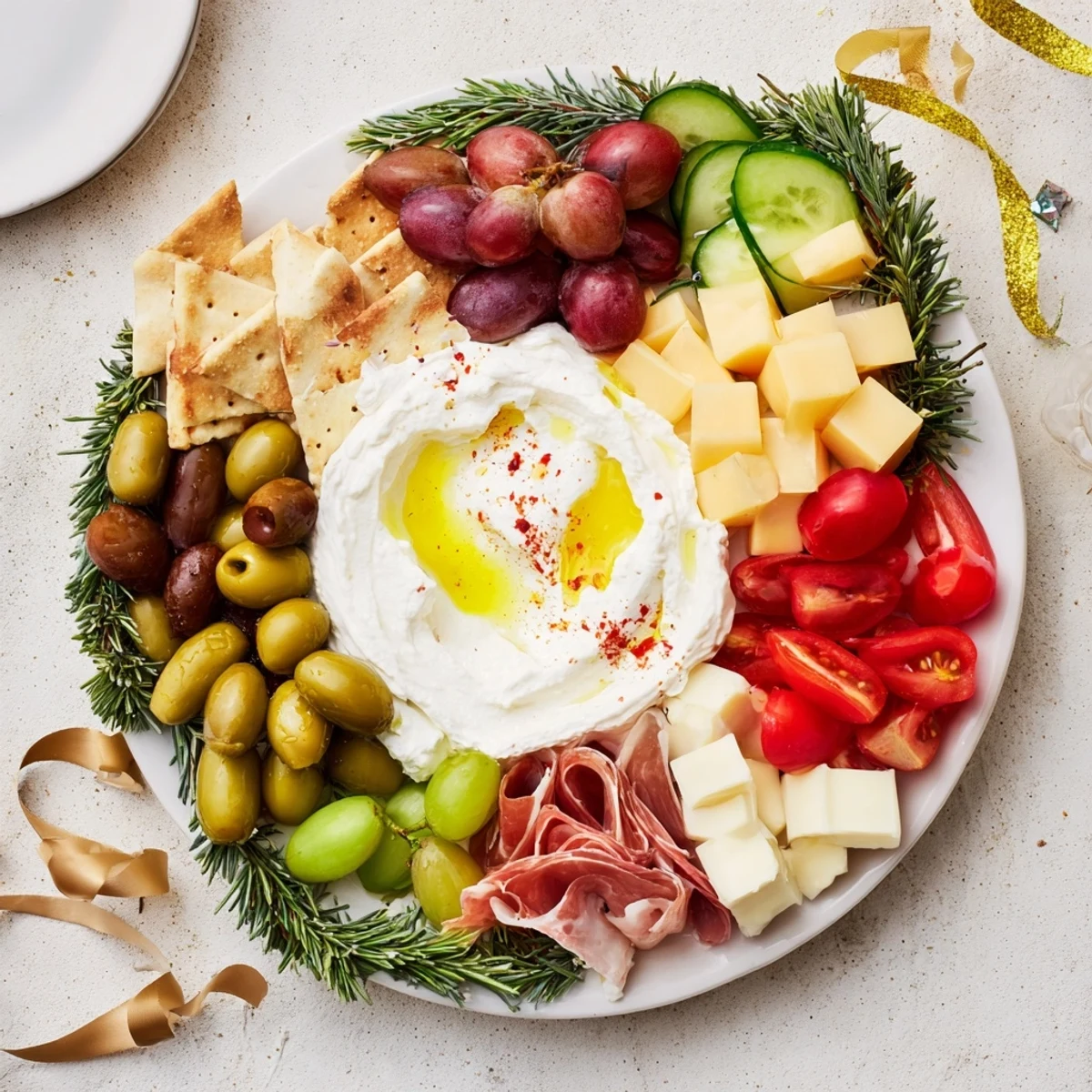
Save I discovered the magic of the wreath board at a holiday market in December, watching a cheese vendor arrange colors and textures on a circular platter with the precision of an artist. The way the ruby-red pomegranate arils caught the light against creamy brie, the fresh rosemary branches creating an edible frame—it felt like an invitation to bring that same festive artistry to my own table. That afternoon, I went home determined to recreate that moment, and what started as an appetizer became the centerpiece that made everyone pause and smile before they even tasted it.
I'll never forget serving this at my sister's engagement party when I wasn't sure if I had enough time to prepare. As I arranged the final pomegranate arils into the wreath, my hands moved almost on their own—the rhythm of placing each element, building the circle, creating balance. When guests arrived, they literally stopped in their tracks. My mother, who rarely compliments my cooking, asked for the recipe before anyone had even sat down. That board became the thing people remembered most about that evening.
Ingredients
- Brie cheese, 100 g in wedges: Brie is your creamy anchor—it melts slightly at room temperature and its pale color creates a beautiful base. I slice it into thin wedges rather than chunks because they nestle perfectly between other elements and look more refined.
- Aged cheddar, 100 g cubed: The sharpness of aged cheddar balances the sweetness of grapes and cranberries. Cube it generously so each piece feels substantial to bite into.
- Goat cheese, 100 g in rounds: Cut into thin rounds with a piece of dental floss for clean edges—it looks elegant and the tangy flavor provides complexity. If goat cheese is too soft, chill it for 15 minutes first.
- Prosciutto, 80 g folded: Let this come to room temperature slightly so it folds without shattering. The saltiness is essential to the flavor balance.
- Salami, 80 g sliced: Choose a quality salami with good marbling—it tastes better and looks more appetizing. Folding the slices creates height and visual interest.
- Red and green grapes, 2 cups halved: Halving them prevents rolling and exposes the flesh so flavors mingle with the cheese. Pat them dry with a towel first so they don't slip around the board.
- Pomegranate arils, 1/2 cup: These are your jewels—they catch light and add both visual drama and a bright burst of flavor. Remove them just before assembling so they stay plump.
- Cherry tomatoes, 1 cup: Choose ones that are truly ripe and deep in color. They bridge the fresh and festive elements beautifully.
- Mini cucumbers, 1/2 cup sliced: Slice them on a bias for more surface area and visual interest. They add a refreshing crunch that guests don't expect.
- Roasted almonds, 1/2 cup: The nuttiness deepens everything around them. If you can only find raw almonds, toast them yourself at 350°F for 8 minutes—the difference is remarkable.
- Mixed olives, 1/2 cup green and black: The briny flavor anchors the entire board. Pit them before serving unless your guests expect the pits—I learned this the hard way at a dinner party.
- Dried cranberries, 1/4 cup: These provide concentrated bursts of tart sweetness and color continuity with the pomegranate arils.
- Fresh rosemary, 6-8 sprigs: This is both foliage and flavor. The moment guests smell fresh rosemary, they know this is a thoughtful spread. Choose sprigs with dense needle coverage.
- Olive branches, a few small ones: These should be thoroughly washed and from an edible olive tree if you're harvesting fresh. They create the wreath's natural frame and smell wonderful. If you can't find real branches, fresh rosemary alone is perfectly beautiful.
- Whipped feta dip, 1 cup: This is your creamy center—make it yourself by blending feta with cream cheese and a touch of lemon juice if store-bought isn't available. The tanginess is crucial to balancing all the sweetness on the board.
- Olive oil, 1 tablespoon: A good olive oil makes a visible difference here. Drizzle it over the dip just before serving so it catches the light.
- Freshly cracked pepper, 1/2 teaspoon: Crack it fresh—pre-ground pepper tastes dull in comparison. The visible black flecks also look beautiful scattered over the pale feta.
Instructions
- Set your stage:
- Choose your board—I prefer wood for warmth, but ceramic or marble works beautifully too. It should be large enough that ingredients have breathing room; a board smaller than 14 inches feels crowded. Place a small bowl in the very center and fill it with your whipped feta dip. This is your anchor point. Drizzle the dip with olive oil—let it pool slightly—then crack fresh pepper over the surface. This center point is what the entire wreath circles around, so take a moment to make it look intentional and inviting.
- Build your foliage frame:
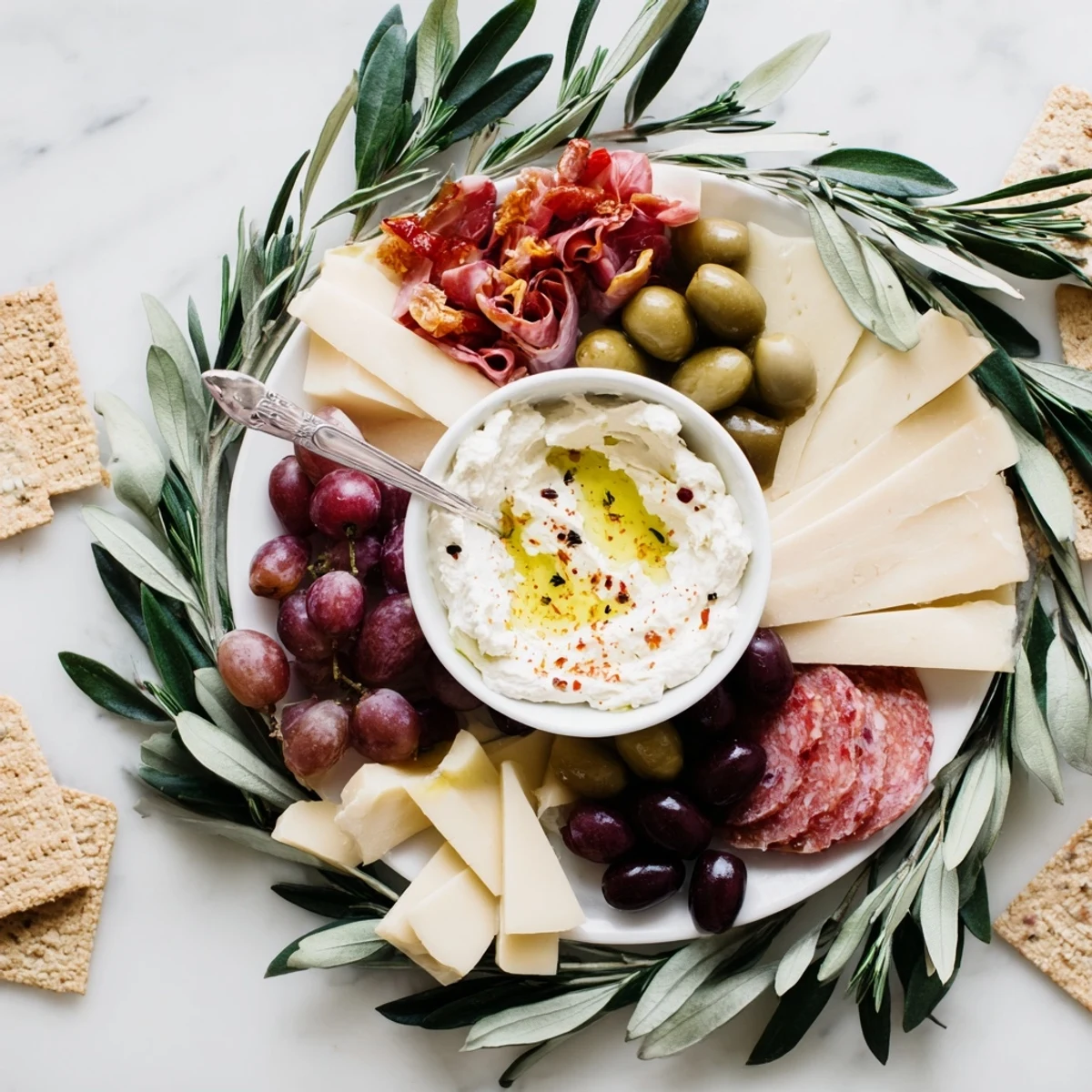
- Starting at the 12 o'clock position, begin arranging your rosemary sprigs and olive branches in a circular pattern around the dip bowl. These aren't meant to be hidden—they're the visible wreath structure. The rosemary needles should point outward, creating a radiating effect. This is where the wreath truly becomes a wreath. Step back and look at the circle; it should feel balanced, with longer sprigs alternating with shorter ones for natural variation.
- Layer your cheeses with intention:
- Now comes the creative part. Begin placing your cheese pieces—brie wedges, cheddar cubes, goat cheese rounds—between and slightly over the herbs. You're not filling in completely yet; you're creating pockets and visual rhythm. Alternate the three cheeses as you move around the circle so no two of the same type sit adjacent. The different colors and shapes create movement. Cheese should overlap the herbs slightly, anchoring them in place and creating dimension.
- Tuck in the cured meats:
- Fold or gently roll your prosciutto and salami pieces, then nestle them between cheese pieces. A folded piece of prosciutto creates beautiful ruffles that catch light differently than cheese. These meats add both flavor and visual texture, so position them where they'll be seen—not hidden beneath other elements.
- Add your fresh elements:
- Halved grapes, cherry tomato halves, and cucumber slices come next. These fresh components bridge the structured cheeses and the scattered elements. Nestle them so they're supported by cheese beneath them, preventing rolling. The red and green grapes should alternate around the wreath for color balance—don't dump them all in one section. Your board is starting to become recognizably festive now.
- Scatter your jewels and anchors:
- Now distribute your pomegranate arils, almonds, olives, and dried cranberries. This is the moment where the board becomes truly beautiful. These scattered elements fill gaps and add pops of color and texture. Pomegranate arils should be distributed somewhat evenly around the circle so the jewel tones work throughout. Almonds can cluster slightly together for visual interest. Olives add both color (green against red, black against gold) and visual weight.
- Step back and balance:
- Before you declare it finished, walk around the board and look at it from different angles. Is one section heavier with color than another? Does any ingredient dominate? The goal isn't perfection—it's visual balance and the feeling of thoughtful abundance. Add a few more cranberries here, adjust an olive there. This is the moment where your intuition takes over from the recipe. Trust it.
- Serve with ceremony:
- Serve immediately with crackers, bread, or toasted baguette slices on the side. The moment people see this board, they'll pause. Let them have that moment. I usually don't explain it—I let the wreath speak for itself.
 Save
Save I served this wreath at my mother-in-law's first visit to our new house, when I wanted to say something like "welcome, we're excited to have you here" without saying it out loud. As she stood in the doorway looking at that board, her expression softened in a way words never could. She picked up a piece of brie with rosemary still attached and smiled at me. Sometimes a wreath is just a wreath. Sometimes it's an entire conversation without speaking.
The Art of Cheese Selection
The cheeses are the backbone of this board, and choosing them thoughtfully makes all the difference. I learned years ago that mixing soft, semi-firm, and firm cheeses creates not just flavor complexity but visual interest. Brie brings luxuriousness and a pale cream color. Aged cheddar adds sharpness and golden tones. Goat cheese provides tang and bright white rounds that pop against the darker elements. When you're shopping, ask for samples. Taste them. The cheese seller will help you find varieties that speak to each other. A wreath board isn't just what you put on it—it's the care you take choosing each element.
Fresh Herbs Beyond Rosemary
While rosemary is my wreath standard, I've had beautiful results experimenting with other herbs and branches. Fresh thyme creates a more delicate wreath feeling. Small sprigs of dill add unexpected sophistication. Even fresh parsley, arranged carefully, can work. I've seen people use small sprigs of mint for a spring version. The herb choice doesn't just create the visual wreath—it seasons the entire experience. When someone picks up a piece of brie that's been resting against fresh rosemary, they taste hints of it. When they select a grape nestled by thyme, that subtle flavor stays with them.
Building a Board Everyone Can Enjoy
The beautiful thing about a wreath board is its flexibility. Want to make it fully vegetarian? Skip the cured meats and add roasted chickpeas or crispy seeds instead. Gluten-free guests? Serve with fruit, crackers made from tapioca or corn, or simply stand with pieces of cheese. Dairy-free? Use vegan cheese alternatives and hummus instead of feta dip. I've made versions with only fruits, nuts, and vegetables for plant-based friends, and they were equally stunning and equally devoured. The structure of a wreath is forgiving. It celebrates what's on it, not what's missing.
- Label any allergens quietly so guests can make informed choices, especially with cured meats and nuts
- Offer the dip in a small serving spoon so people can enjoy it without having to take the whole bowl
- Keep small plates nearby—this is finger food, but people appreciate a place to set their selections
 Save
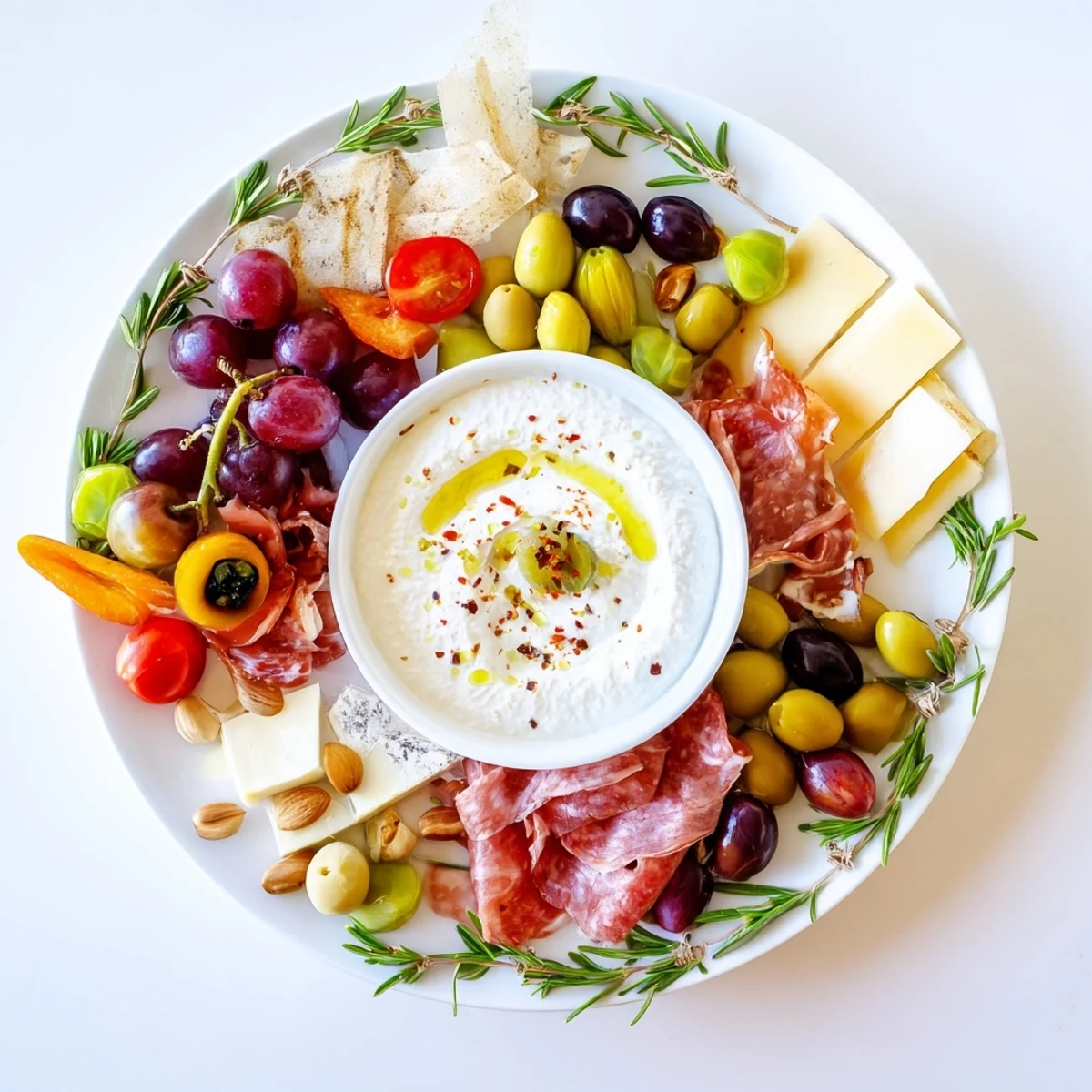
Save A wreath board is one of those rare dishes that tastes as good as it looks and feels as intentional as it appears. It's the kind of appetizer that makes people remember you prepared something special, even when the preparation was simple. Serve it with joy and watch what happens.
Recipe FAQ
- → What cheeses work best for the wreath board?
Soft Brie, aged cheddar, and goat cheese provide varied textures and flavors, offering creamy, sharp, and tangy notes to balance the board.
- → Can I omit cured meats for a vegetarian option?
Yes, the cured meats are optional and can be left out. The board remains flavorful with cheeses, fruits, nuts, and vegetables.
- → What is the purpose of rosemary and olive branches on the board?
Fresh rosemary and olive branches create a fragrant, edible foliage effect, adding a festive touch and enhancing aromatic profile.
- → How should the dip be prepared and placed?
Whipped feta dip is placed in a small bowl at the center, drizzled with olive oil and cracked pepper, serving as a creamy focal point for dipping.
- → Are there any suggested pairings to go with this board?
Sauvignon Blanc, Pinot Noir, or sparkling wines complement the variety of flavors and textures beautifully.