 Save
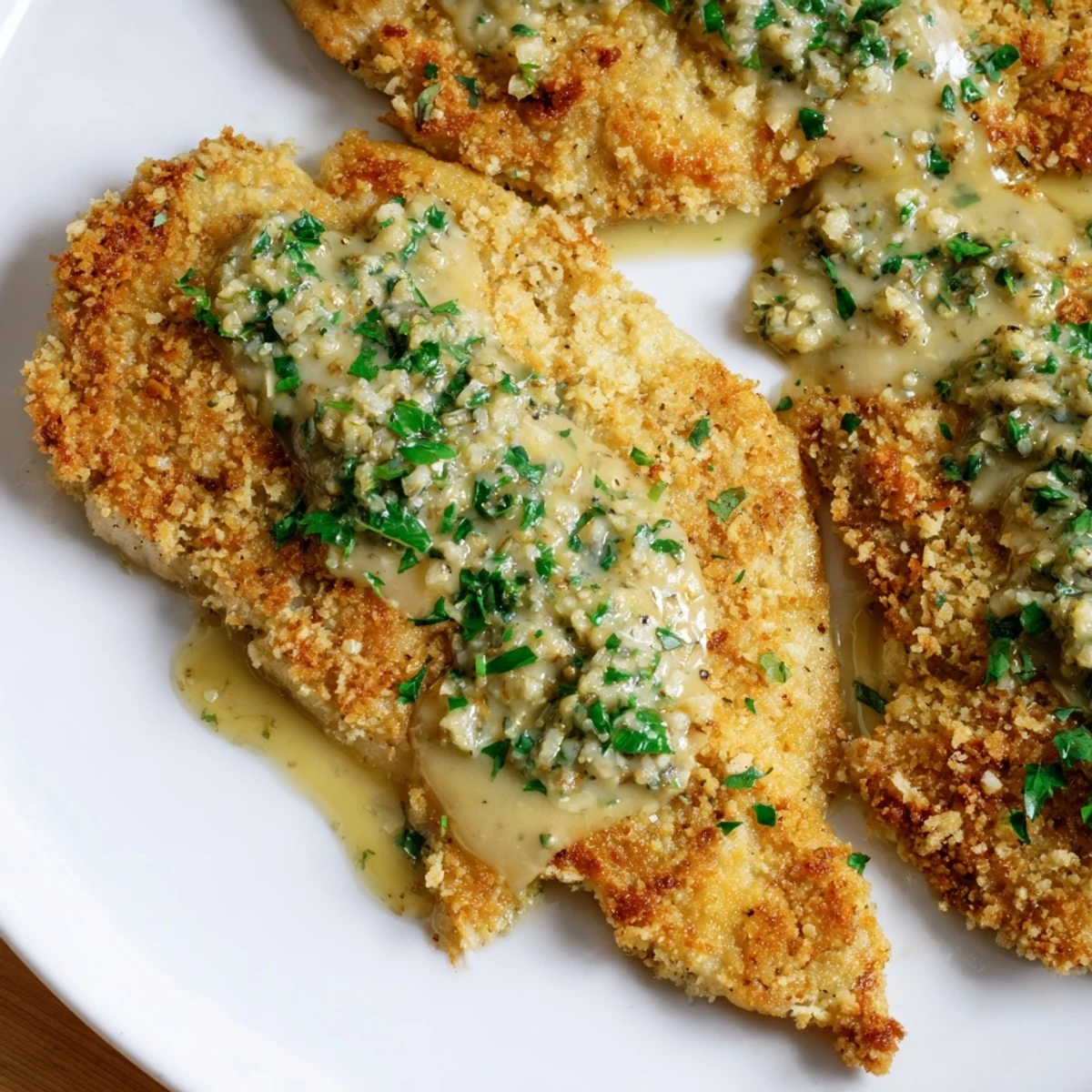
Save There's something about the sound of chicken hitting hot oil that tells you everything's about to go right. I learned this on a random Tuesday evening when my partner mentioned, almost offhandedly, that they'd been craving something crispy but not heavy—and somehow that simple request turned into the most-requested dinner in our house. The garlic cream sauce came together almost by accident that first time, born from leftover broth and a handful of garlic cloves I didn't want to waste. Now, whenever I make this, that same golden color and the way the sauce clings to the chicken brings back that feeling of discovering something genuinely good in your own kitchen.
I made this for a small dinner party last fall, and I remember my friend asking for the recipe before even finishing her first bite—she said it tasted like the kind of thing you'd order at a restaurant but find yourself making at home instead. What stuck with me wasn't just the compliment, but watching someone genuinely satisfied by something I'd put on the table, the way she went back for more sauce even after the chicken was gone. That's when I knew this recipe had staying power.
Ingredients
- Boneless, skinless chicken breasts (4): Pound them to an even thickness so they cook uniformly and stay juicy all the way through.
- All-purpose flour (1/2 cup): This is your base layer, creating a protective seal before the egg and breadcrumbs go on.
- Eggs (2 large): They're the glue holding everything together—whisk them well so every piece of chicken gets evenly coated.
- Panko breadcrumbs (1 cup): Panko's larger structure gives you that satisfying crunch that regular breadcrumbs can't match.
- Grated Parmesan cheese (1/2 cup total, split between coating and sauce): Use freshly grated if you can; the pre-shredded versions don't melt as smoothly.
- Olive oil (1/4 cup): Medium heat is your friend here—too hot and the outside burns before the inside cooks, too cool and you get grease instead of crunch.
- Unsalted butter (3 tablespoons): This becomes the foundation of your sauce, so its flavor matters more than you'd think.
- Garlic cloves (6, minced): Mince them just before cooking so they're at their most fragrant and potent.
- Heavy cream (1 cup): Don't skip this or water it down—the richness is what makes the sauce memorable.
- Chicken broth (1/2 cup): This balances the cream and keeps the sauce from feeling one-note.
- Fresh parsley (2 tablespoons, plus extra for garnish): It adds brightness at the end, cutting through all that richness with a clean, herbaceous note.
Instructions
- Pound out the chicken:
- Lay each breast between plastic wrap and pound gently but firmly until it's about 1/2-inch thick everywhere. This sounds like extra work, but it's the difference between chicken that cooks evenly and chicken with a rubbery center.
- Season and prepare:
- Sprinkle both sides with salt and pepper, then set up your breading station with flour, beaten eggs, and the panko-Parmesan mix in three separate shallow bowls. Having everything ready means you can work quickly once you start coating.
- Coat the chicken:
- Working with one piece at a time, dredge it in flour (shake off the excess), dip in egg, then press it gently into the panko mixture, making sure both sides are well covered. This layering is what creates that crispy exterior.
- Fry until golden:
- Heat your olive oil in a large skillet over medium-high heat until it shimmers—you'll see the surface move and ripple. Add the chicken carefully and listen for that immediate sizzle, then cook 4 to 5 minutes per side until the coating is deep golden and the chicken is cooked through. Transfer to a plate and loosely tent with foil to keep it warm.
- Build the sauce base:
- In the same skillet (all those browned bits are liquid gold), lower the heat to medium and melt the butter. Add your minced garlic and let it sizzle for about a minute until your kitchen smells absolutely incredible.
- Create the cream sauce:
- Pour in the heavy cream and chicken broth, using a wooden spoon or whisk to scrape up all the flavorful browned bits stuck to the pan. Bring it to a gentle simmer and let it bubble quietly for 3 to 4 minutes until the sauce noticeably thickens.
- Season and finish:
- Stir in salt, pepper, Parmesan, and fresh parsley, then let it simmer for another minute or two until the sauce coats the back of a spoon. The sauce should look silky and smell like something you'd want to pour over everything on your plate.
- Bring it together:
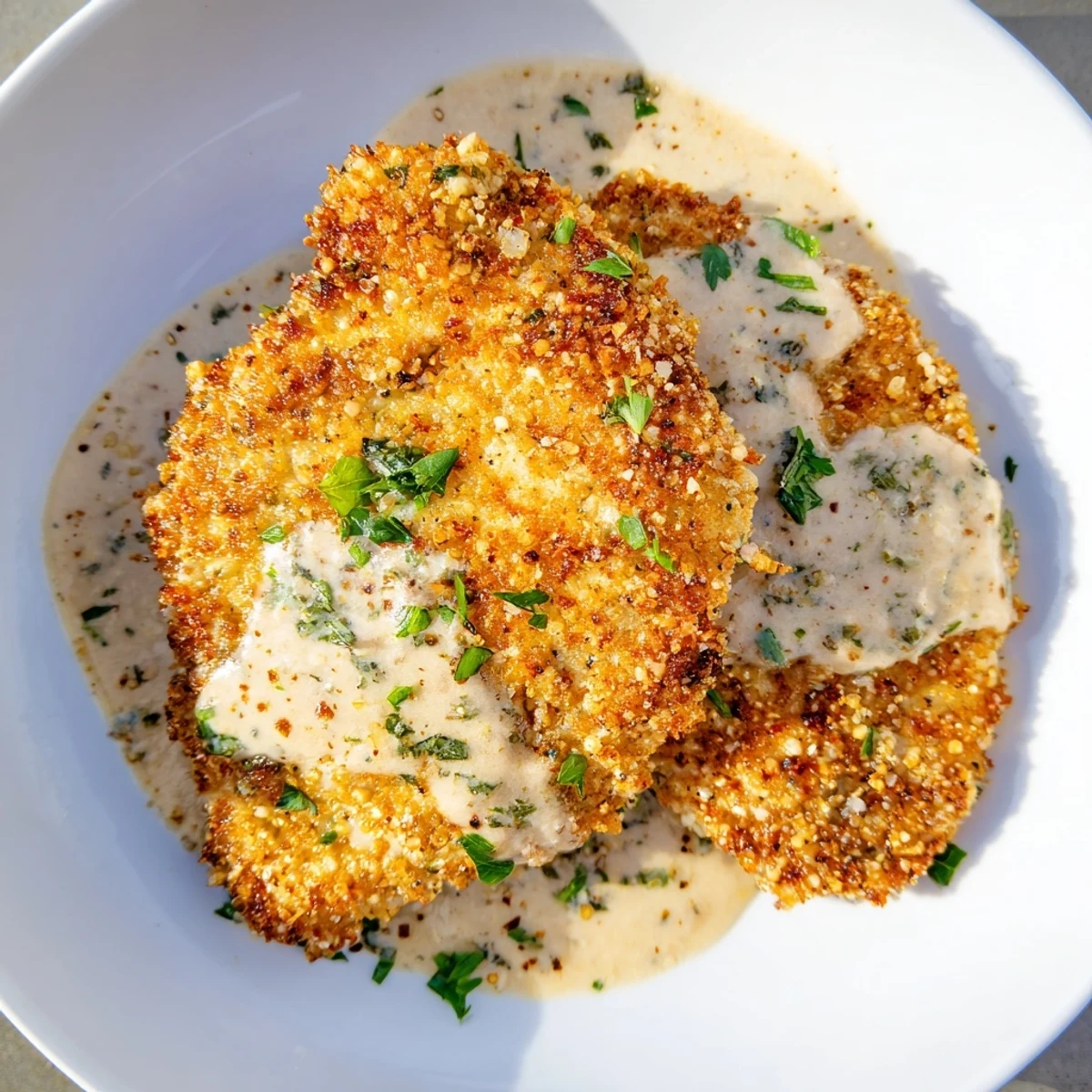
- Return the chicken to the skillet, spoon that beautiful sauce over top, and heat everything through for 1 to 2 minutes. Garnish with extra parsley and serve right away while everything's still warm.
 Save
Save I think back to the first time someone I loved took a quiet moment to tell me this was their favorite thing I make. There's something about feeding someone a meal that lands exactly right—when the flavors are balanced, the texture is perfect, and everything tastes like it was made with actual care. That moment crystallized why I keep coming back to this recipe.
Serving Suggestions That Work
Mashed potatoes are the obvious choice, and for good reason—that creamy sauce begs for something soft to soak into. Pasta (especially something like egg noodles or fettuccine) is equally amazing, letting you push every last drop of sauce onto each bite. I've also served this over steamed green beans or roasted asparagus when I wanted something lighter, and the contrast between the rich sauce and the brightness of the vegetables feels surprisingly balanced.
Making It Your Own
This recipe is sturdy enough to bend without breaking. Some nights I use half-and-half instead of heavy cream when I want the dish to feel less rich, and I've learned that a squeeze of fresh lemon juice added just before serving brightens the whole thing up in a way that feels almost revelatory. If you're feeling adventurous, try stirring in a splash of white wine before the cream, or add a pinch of red pepper flakes to the garlic for heat.
The Details That Matter
The difference between good and genuinely memorable often lives in the small choices. If you want extra crunch, don't hesitate to double-coat by repeating the egg and panko steps on any piece that doesn't feel fully covered. Freshly grated Parmesan makes a real difference over the pre-shredded version, which contains anti-caking agents that prevent smooth melting. And when you're mincing that garlic, do it right before cooking—the longer it sits exposed to air, the more its sharp edge dulls.
- Keep a meat mallet or rolling pin handy specifically for pounding chicken so you have the right tool ready.
- If your cream sauce breaks or looks grainy, whisk in a splash of cold broth off the heat to bring it back together.
- Serve immediately after returning the chicken to the skillet so the coating stays at its crispiest.
 Save
Save This is the kind of dinner that turns an ordinary evening into something worth remembering, the kind of meal that makes people linger at the table a little longer. When you nail it, you'll understand why it keeps showing up on request lists and why I've stopped trying to count how many times I've made it.
Recipe FAQ
- → How do you get the chicken extra crispy?
Double-coating the chicken by repeating the egg and panko-Parmesan breading steps enhances crunchiness.
- → Can I use a lighter dairy alternative for the sauce?
Yes, half-and-half can substitute heavy cream for a lighter, less rich sauce with similar texture.
- → What side dishes pair well with this chicken?
Mashed potatoes, pasta, or steamed green beans complement the creamy, garlicky flavors nicely.
- → How long should I cook the chicken to ensure it’s done?
Cook each side for 4–5 minutes over medium-high heat until the crust is golden and the chicken is cooked through.
- → How can I add brightness to the dish?
A squeeze of lemon juice added to the cream sauce before serving adds fresh acidity and lifts the flavors.