 Save
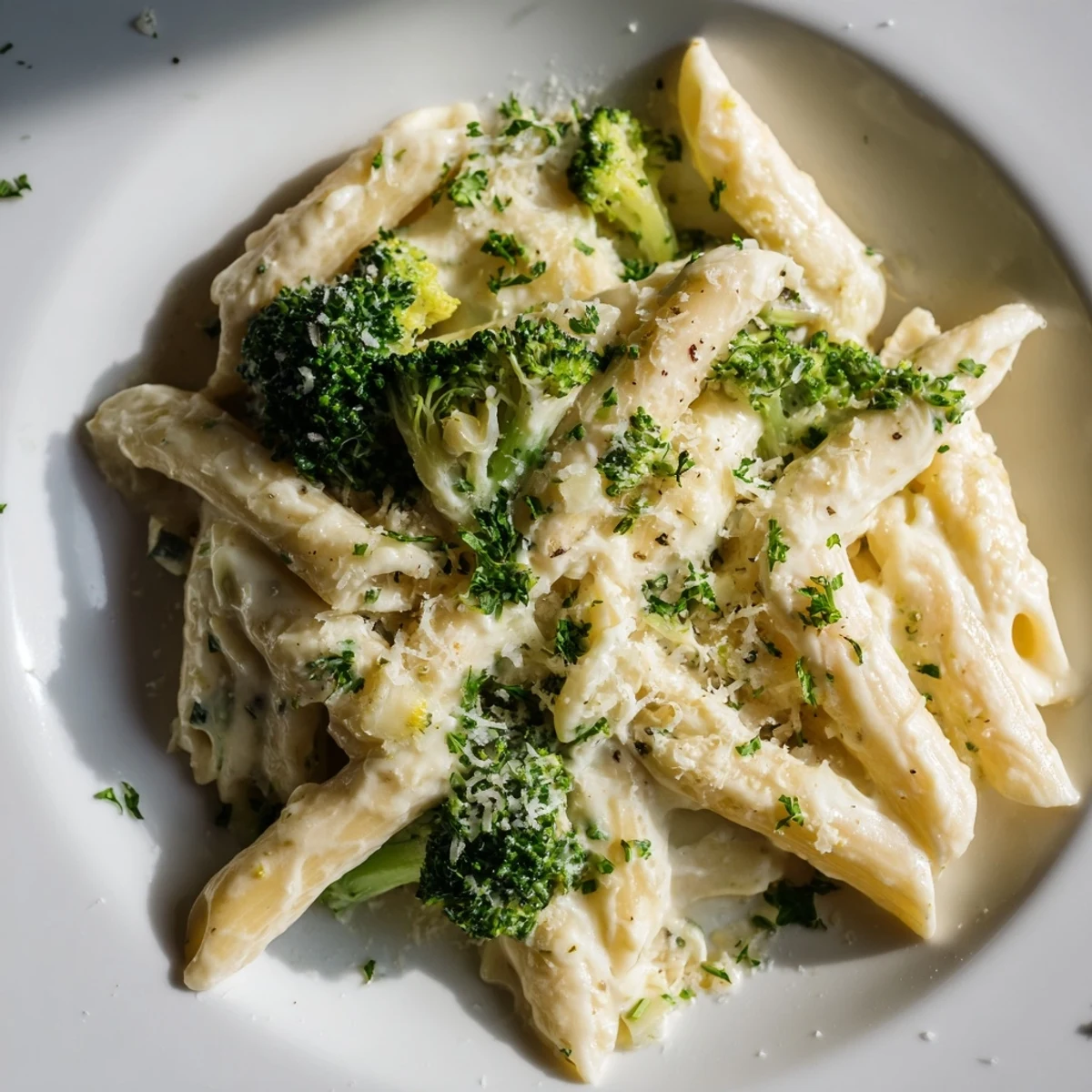
Save There's something about the smell of garlic hitting hot oil that makes you feel like you're doing something right in the kitchen. I stumbled onto this cream cheese pasta completely by accident one Tuesday night when I was staring at what I had on hand—some cream cheese that needed using, half a head of broccoli, and dried penne. What emerged was silky, garlicky, and so effortlessly satisfying that I've made it dozens of times since. It's the kind of dish that tastes more complicated than it actually is, which might be its greatest charm.
I made this for my roommate once when she'd had the kind of day where everything feels heavy, and watching her face change when she took the first bite reminded me why simple food matters. There's nothing flashy about it, but there's something honest about butter-soft pasta swimming in warm, garlicky cream that somehow fixes things without trying.
Ingredients
- Penne or fettuccine, 350g: Use whichever shape you love; penne catches the sauce beautifully in its tubes, but fettuccine creates those satisfying twists on your fork.
- Broccoli florets, 300g: Cut them fairly small so they don't overshadow the pasta, and watch them turn bright green when they hit the boiling water.
- Olive oil, 2 tbsp: This is your foundation for the garlic, so don't skimp on quality here.
- Garlic cloves, 4 large and minced: Freshly minced makes all the difference; the aroma alone tells you when you've gotten it right.
- Cream cheese, softened and 225g: Let it sit on the counter for 15 minutes before cooking so it melts without lumps.
- Milk, 120ml: Use whole milk if you have it; the fat makes the sauce richer and more forgiving.
- Parmesan cheese, grated and 60g: Freshly grated is worth the extra minute; pre-grated contains anti-caking agents that can make the sauce grainy.
- Black pepper and salt: Taste as you go; these seasonings are your map for getting the flavor exactly right.
- Red pepper flakes, a pinch: Optional, but that whisper of heat against the richness changes everything.
- Fresh parsley and extra Parmesan: These aren't just garnish—they're your final note of freshness against all that cream.
Instructions
- Start the water:
- Fill your largest pot with water and salt it like you're seasoning soup. You want it to taste slightly salty; this is the only chance the pasta has to absorb real flavor. Bring it to a rolling boil before adding the pasta.
- Cook the pasta and broccoli:
- Add pasta and cook until just al dente—a minute or two before the package says it's ready. With about 3 minutes left, drop the broccoli florets into the same pot; they'll soften while the pasta finishes, and the starch from the pasta water will become your secret weapon for the sauce.
- Create the garlic foundation:
- While everything boils, warm olive oil in your skillet over medium heat. Add the minced garlic and listen for that soft sizzle; this should smell incredible within a minute, but the moment you catch a hint of browning, you've gone too far. Pull back the heat if needed.
- Melt the cream cheese:
- Lower the heat to medium-low and add softened cream cheese straight into the fragrant oil. Stir it constantly and watch it transform from chunks into something silky and smooth. This takes patience but rarely more than 2 minutes.
- Build the sauce:
- Pour in the milk slowly while whisking, creating a gentle stream rather than dumping it all at once. The sauce will go from thick to luxurious almost immediately. Add the Parmesan, salt, pepper, and red pepper flakes, tasting as you build so you know exactly what you're making.
- Bring everything together:
- Drain your pasta and broccoli (but save that cooking water), then add them to the skillet. If the sauce seems thick, add reserved pasta water a splash at a time until it coats everything with a silky sheen rather than clinging stubbornly. The pasta will keep absorbing liquid as it sits, so err toward looser rather than thicker.
- Serve with intention:
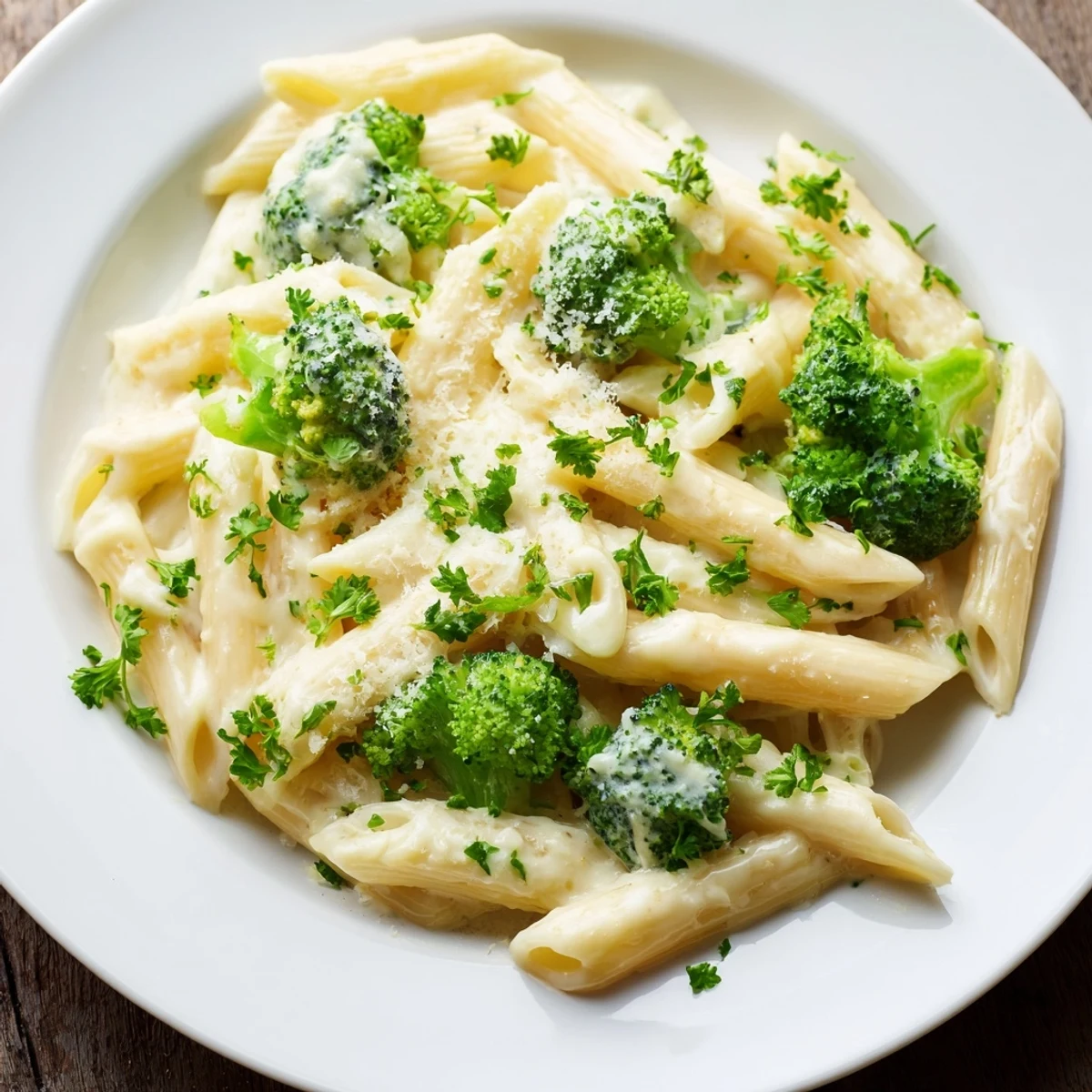
- Plate immediately while everything's still warm and glossy, finish with a handful of parsley and a snowfall of fresh Parmesan, and bring it to whoever's waiting at the table.
 Save
Save I once made this at someone's birthday dinner and the kitchen filled with the kind of quiet where people stop talking because they're too focused on eating. That's when you know you've made something that works.
Why This Works as a Weeknight Dinner
There's no baking involved, no multiple pans to balance, and no mysterious techniques to master. The entire meal lives in one skillet for most of the cooking time, and the 30 minutes on the clock isn't aspirational—it's honest. Broccoli cooks alongside the pasta instead of demanding its own attention, and cream cheese does the heavy lifting that usually requires cream, butter, or an intimidating reduction. It's the kind of recipe that meets you where you are, whether you're exhausted or just hungry.
How to Make It Your Own
This recipe is a canvas more than a rulebook. The skeleton is always the same—garlic, cream cheese, pasta water—but everything else can shift depending on what's in your fridge or what you're craving. Spinach wilts into the sauce in the last minute, asparagus brings a different kind of elegance, and cooked chicken or shrimp turns it into something more substantial. Even small changes like switching pasta shapes or adding a squeeze of lemon at the end create an entirely different mood.
The Small Moments That Matter
This is the pasta I make when I want to prove to myself that cooking isn't complicated, and it always delivers on that promise. There's something grounding about a dish that tastes like comfort without demanding anything extraordinary from you.
- Don't brown the garlic—it turns bitter and changes the whole character of the sauce from sweet-savory to harsh.
- Taste the sauce before the pasta goes in; it's your last chance to adjust the seasoning without the pasta diluting flavors.
- Serve it immediately, because cream sauce dishes are best when they're still steaming and glossy on the plate.
 Save
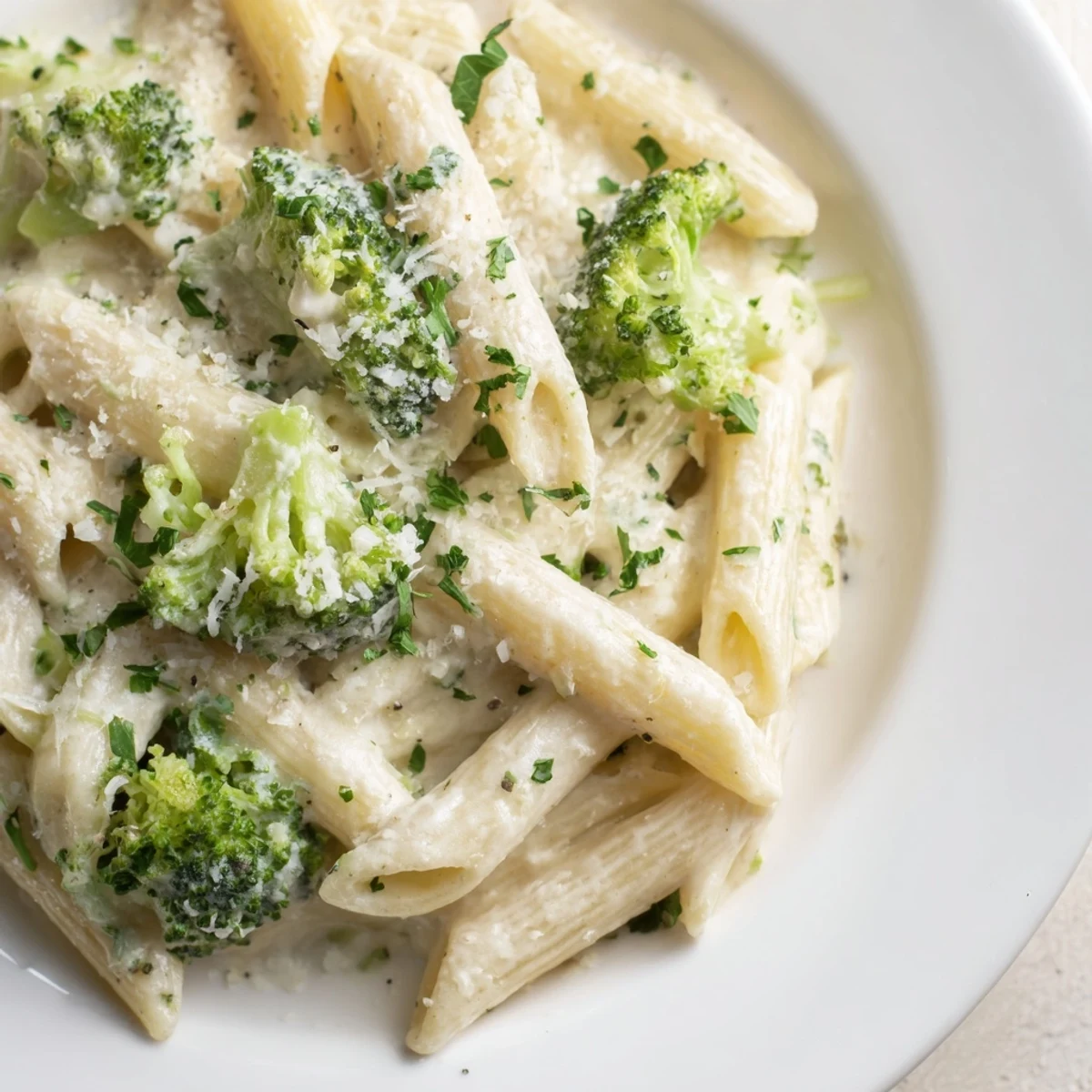
Save This pasta reminds me that the best meals don't always come from complexity or hours of planning—sometimes they come from knowing how to treat a few good ingredients with respect. Make it tonight if you want something warm and filling in your hands and something warm in your belly.
Recipe FAQ
- → Can I use different pasta shapes?
Yes, penne, fettuccine, or other sturdy pasta types work well to hold the creamy sauce.
- → How can I make the sauce thinner?
Adding reserved pasta water gradually helps achieve a smoother, thinner consistency.
- → Is it possible to substitute broccoli?
Asparagus or spinach can be used instead of broccoli for a different flavor and texture.
- → What is the best way to cook garlic for this dish?
Sauté garlic in olive oil over medium heat until fragrant but not browned to keep its delicate flavor.
- → Can I add protein to this dish?
Incorporating cooked chicken or shrimp adds protein and complements the creamy sauce nicely.