 Save
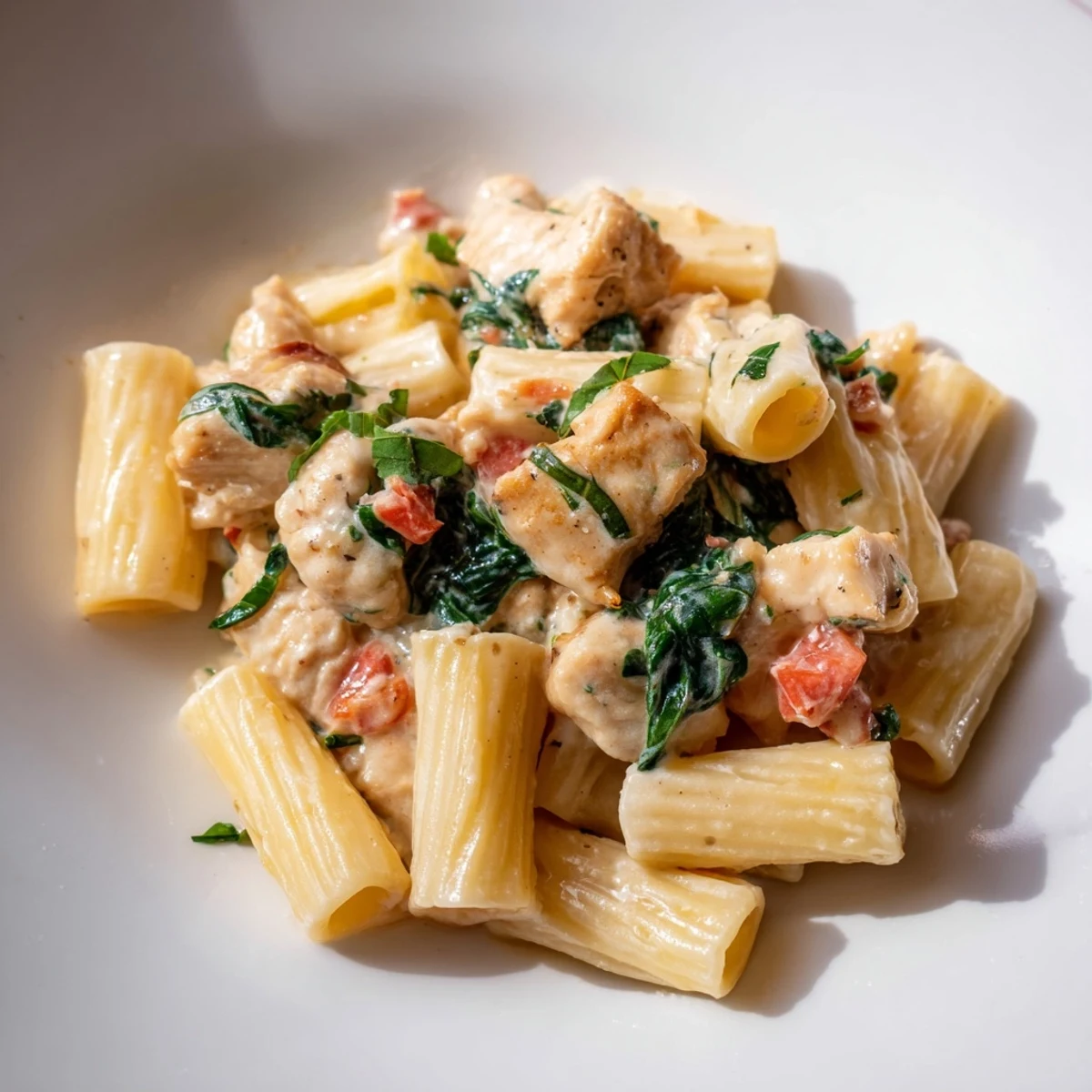
Save There's something about the way cream catches light in a hot skillet that makes you feel like you're cooking in a restaurant instead of your own kitchen. I discovered this version of Marry Me Chicken on a Tuesday night when I was tired of takeout prices but craving something that tasted like I'd splurged—and realized I could make it happen with canned tomatoes and things already lurking in my pantry. The first time I served it, my partner actually paused mid-bite and asked if I'd changed careers, which made me laugh because the secret was just being honest about using what works instead of chasing perfection.
I made this for friends who'd been helping me move into a new place, and watching them get quiet mid-conversation because they were too busy eating felt like the highest compliment. There was this moment where someone asked for the recipe and I realized I'd stopped thinking of it as a budget hack—it had become the thing I genuinely wanted to cook when I wanted people to feel taken care of.
Ingredients
- Chicken breasts: Cutting them into bite-sized pieces instead of cooking whole means everything finishes at the same time and tastes less dry—I learned this the hard way.
- Penne or rigatoni: The ridges catch sauce in a way that makes every bite intentional, unlike pasta shapes that just slide through.
- Olive oil: Don't skimp here; a good one changes everything, especially since it's front and center.
- Garlic: Fresh minced is non-negotiable—jarred tastes like the jar.
- Dried Italian herbs: This does the seasoning work so you're not scrambling to balance flavors at the end.
- Red pepper flakes: Optional but worth it if you like a whisper of heat against the cream.
- Canned diced tomatoes: The drained kind matters because excess liquid makes the sauce watery instead of lush.
- Chicken broth: Adds savory depth without needing to simmer for hours.
- Heavy cream: This is what makes it feel special; don't substitute with milk or it'll taste thin.
- Parmesan cheese: Grated fresh tastes sharper and more authentic than pre-shredded, which often has anti-caking agents that change the texture.
- Spinach: It wilts down to almost nothing, so don't be shy with the amount.
- Fresh basil: Chopped at the end, it brings brightness that the dried herbs can't.
Instructions
- Start your pasta:
- Fill a large pot with salted water and bring it to a rolling boil—you want it aggressive enough that the pasta cooks evenly. While you're waiting, this is the perfect time to prep everything else because nothing feels worse than scrambling when water finally boils.
- Cook pasta to al dente:
- Follow package timing but start checking a minute early; pasta continues cooking slightly when tossed with hot sauce. Drain it in a colander and set aside a coffee mug's worth of starchy water—this is your secret weapon for adjusting sauce consistency later.
- Sear the chicken:
- Heat olive oil in a large skillet over medium-high heat until it shimmers and smells warm, then add your chicken pieces. They should sizzle immediately; if they don't, the pan isn't ready yet. Season with salt and pepper, then resist the urge to move them around—let them sit for a couple of minutes until the bottom turns golden before stirring.
- Build the sauce base:
- Once chicken is cooked through (about 5-6 minutes), transfer it to a clean plate and lower the heat to medium. Add minced garlic, Italian herbs, and red pepper flakes, stirring constantly for about a minute until the kitchen smells like a Mediterranean kitchen rather than just garlic burning.
- Develop flavor:
- Pour in your drained tomatoes and broth, letting them simmer together for 3-4 minutes so the flavors actually meld instead of just sitting separate in the pan. You'll notice the sauce starting to take on depth as the tomato breaks down slightly.
- Make it creamy:
- Stir in the heavy cream slowly, watching as it transforms the tart tomato into something velvety and balanced. Add Parmesan cheese and stir until melted, which usually takes about a minute and makes the sauce cling to itself rather than pool.
- Bring it together:
- Return the chicken to the skillet along with any juices that pooled under it on the plate. If you're using spinach, add it now and let it wilt in the residual heat—you'll watch it shrink from a small forest to nothing in seconds.
- Marry pasta and sauce:
- Add your cooked pasta directly to the skillet and toss everything together gently, as if the pasta is delicate. If it looks tight, splash in a bit of reserved pasta water until the sauce coats without clinging to the bottom.
- Taste and finish:
- Before serving, taste and adjust salt and pepper—you might need more than you think because cream masks seasoning. Plate it warm and scatter fresh basil over the top, where it'll release its aromatics right into your face as you eat.
 Save
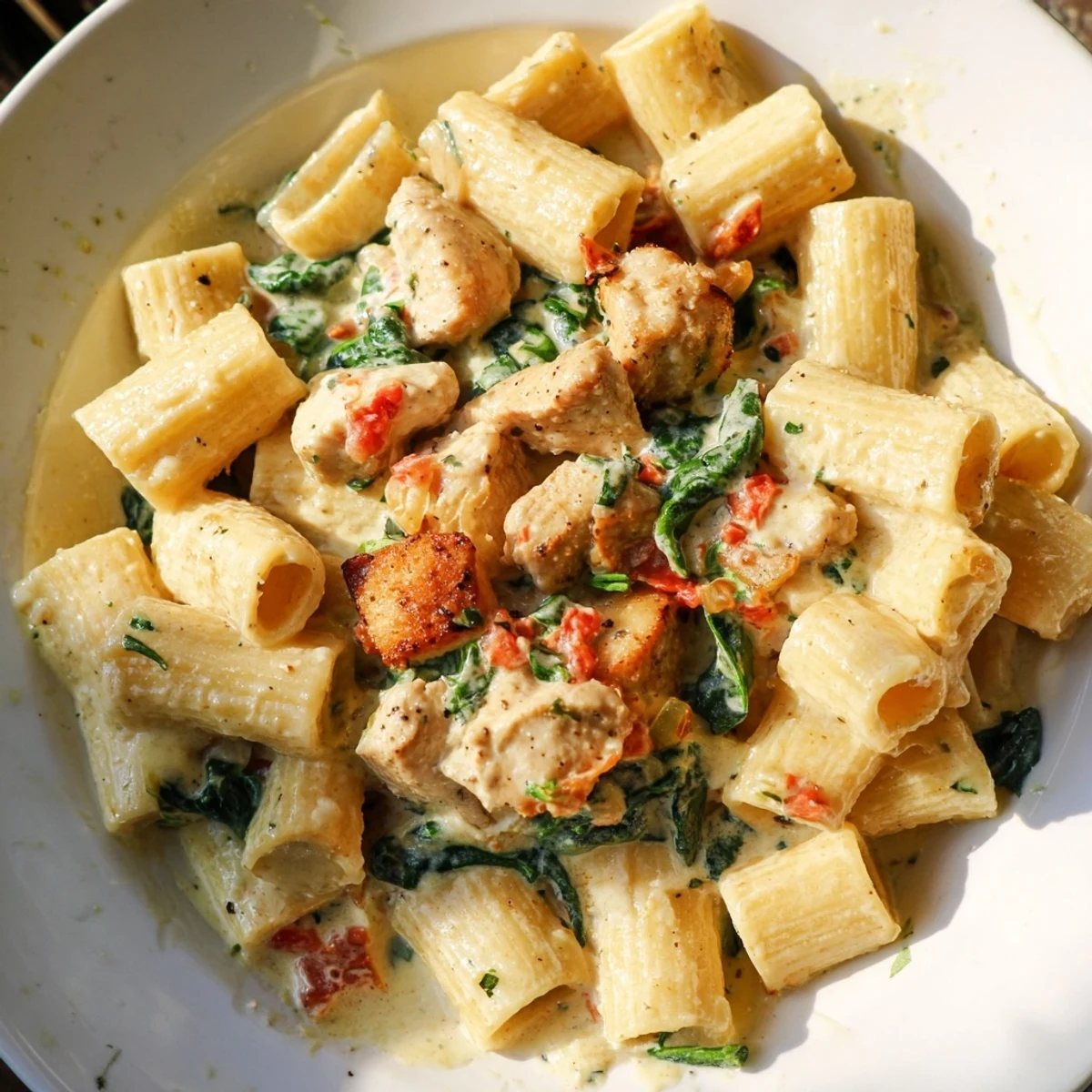
Save There was this quiet moment when someone came back for seconds and didn't even ask if there was enough—they just started serving themselves, which told me everything. That's when food stops being just dinner and becomes the reason people linger at your table.
Why This Becomes a Weeknight Staple
Once you make this once and taste how close it comes to the viral version without the price tag, you start keeping the ingredients stocked. The beauty is that canned tomatoes are cheaper than fresh most of the year and honestly taste more consistent, so you're not sacrificing anything by going this route. I've made it enough times now that my hands know the motions without me thinking, which is exactly when a recipe becomes part of your cooking identity rather than just something you followed once.
Smart Substitutions That Actually Work
Chicken thighs will make this juicier because they have more fat, and if you want to be honest about it, slightly better flavor—I reserve this swap for when I'm cooking for people whose opinion matters. Rotisserie chicken is the ultimate convenience play; shred it and you save the entire cooking step, though you lose the satisfaction of that golden sear. For the cream, half-and-half works if you're watching calories, but the sauce will feel lighter and less luxurious, so know what trade you're making.
Keeping It From Feeling Repetitive
The nice thing about this recipe is how forgiving it is to tweaks, which is exactly how it stays fresh in rotation instead of becoming boring. Sun-dried tomatoes add a concentrated sweetness, arugula brings a peppery bite that works against the cream, and fresh lemon zest whispered over the top at the end creates dimension you weren't expecting. Fresh herbs you love matter more than exact recipes, so don't let the card stop you from experimenting.
- A small pinch of nutmeg in the cream mixture changes everything without anyone being able to name what's different.
- Mushrooms sautéed with the garlic add earthiness that makes the dish feel more grown-up.
- If you have white wine in the house, a splash of it added with the tomato deepens the flavor without tasting obviously boozy.
 Save
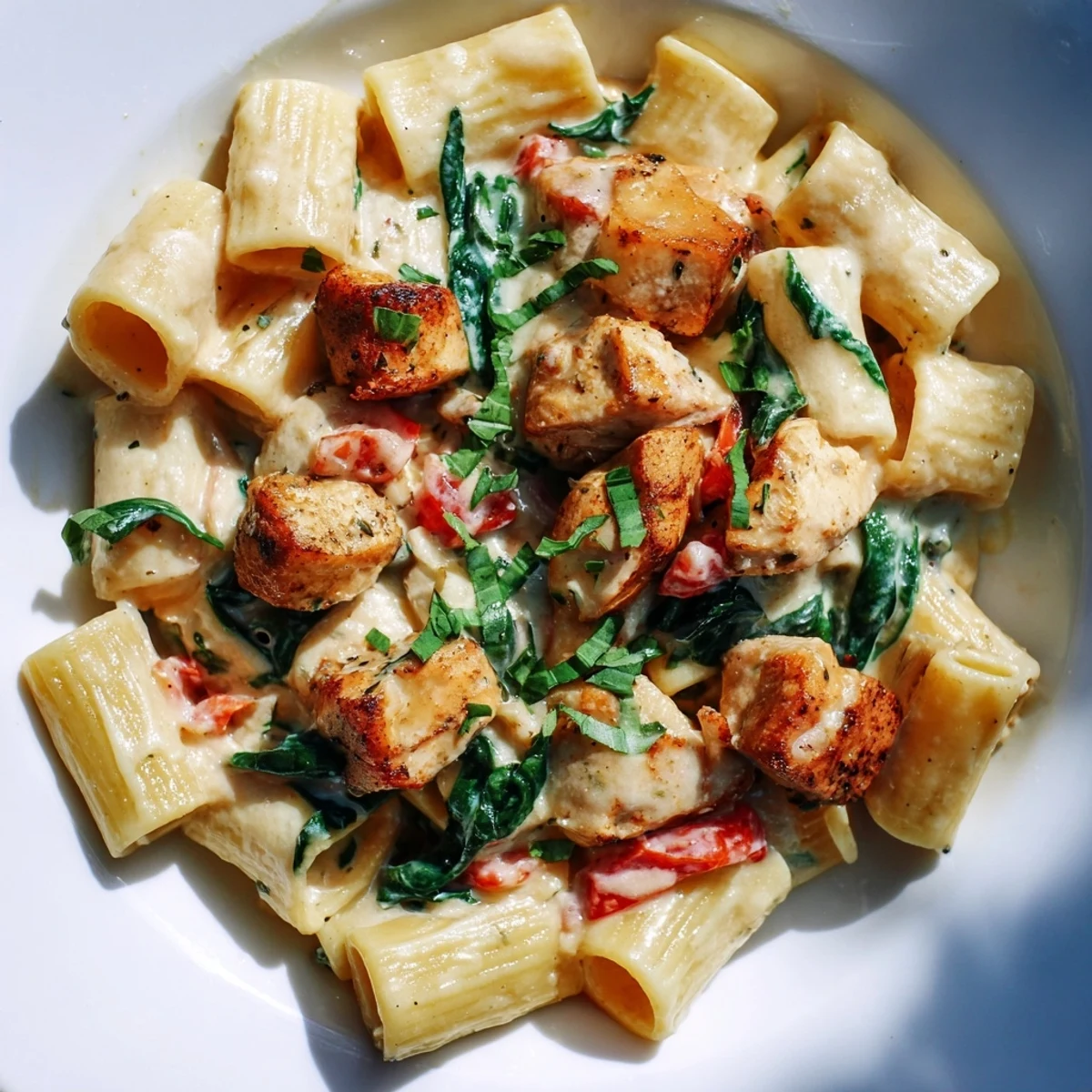
Save This is the kind of recipe that proves you don't need fancy ingredients or hours to make something worth sitting down for. Make it once and you'll understand why it stuck around.
Recipe FAQ
- → Can I use chicken thighs instead of chicken breasts?
Yes, chicken thighs provide a juicier texture and work well with this dish. Adjust cooking time accordingly to ensure they are cooked through.
- → What pasta types work best for this dish?
Penne or rigatoni are ideal as they hold the sauce well, but any short pasta shapes like fusilli or shells will also work.
- → Can I add vegetables besides spinach?
Absolutely, sun-dried tomatoes or arugula can add extra flavor and texture. Add them towards the end of cooking to retain freshness.
- → Is it possible to lighten the sauce?
Yes, substitute heavy cream with half-and-half or a lighter dairy alternative, but expect a slightly less rich texture.
- → How can I adjust the sauce consistency?
Add reserved pasta water a little at a time while tossing the pasta in the sauce until you reach the desired thickness and creaminess.