 Save
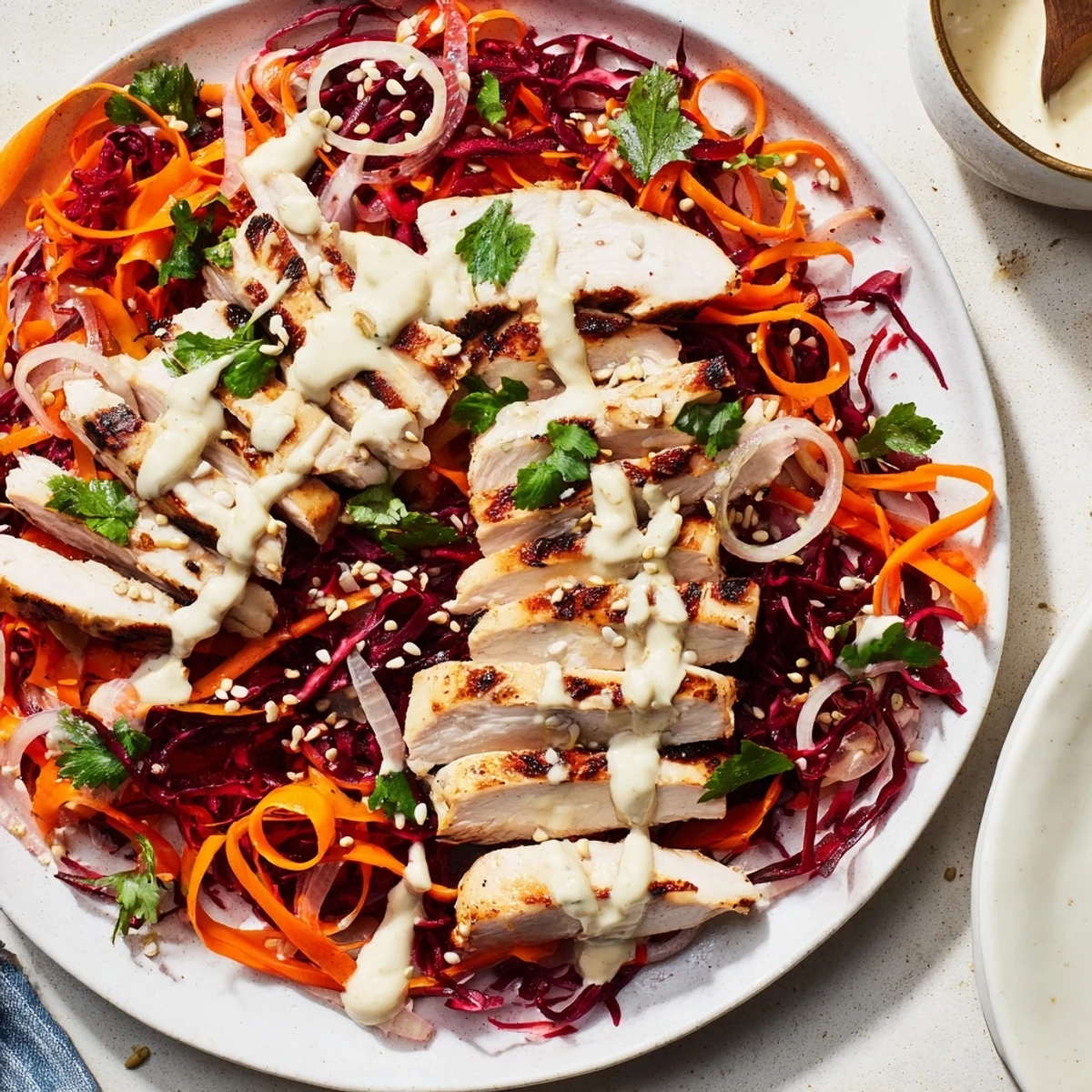
Save I threw this together on a Tuesday night when the grocery haul looked more colorful than usual. A friend had joked about becoming the carrot guy after buying ten pounds by accident, and somehow that stuck with me. The ribbons curled so satisfyingly under the peeler that I kept going, filling the bowl higher than I meant to. When the chicken hit the pan, the ginger and sesame smelled like the best kind of takeout, but better because I knew exactly what was in it.
The first time I made this, my neighbor wandered over and asked what smelled so good. I plated an extra bowl and watched her take that first bite, the crunch echoing across the table. She went quiet for a second, then asked for the dressing recipe, which I scribbled on a torn envelope. Now she texts me photos every time she makes it, sometimes with edamame, sometimes with shrimp instead of chicken.
Ingredients
- Boneless, skinless chicken breasts: I like these because they cook fast and soak up the marinade, but thighs work too if you prefer darker meat with a bit more flavor.
- Soy sauce: This shows up twice, in the marinade and the dressing, and it is worth using a good one because it ties the whole dish together with that salty, umami backbone.
- Sesame oil: Just a tablespoon in the marinade makes the chicken taste like it came from a street cart, toasted and nutty without being heavy.
- Freshly grated ginger: I keep a knob in the freezer and grate it straight from frozen, it is easier and you get those tiny, juicy shreds that bloom in the dressing.
- Large carrots: Look for thick, firm ones because they peel into the best ribbons, thin carrots just crumble and you end up with carrot dust.
- Red cabbage: It adds that purple pop and a sturdy crunch that holds up even if you dress the salad ahead of time.
- Red bell pepper: I slice mine as thin as I can; it is sweet and snappy and catches little pools of dressing in the curves.
- Scallions: Both the white and green parts go in, they give you sharp little bursts that wake up every bite.
- Fresh cilantro leaves: Some people love it, some people hate it, but I cannot imagine this without that bright, grassy note cutting through the richness.
- Roasted peanuts: Optional, but the crunch and toasty flavor make it feel complete, I buy them already roasted and just give them a rough chop.
- Toasted sesame seeds: I toast mine in a dry skillet for two minutes until they smell like popcorn, it is a small step that makes a big difference.
- White miso paste: This is the secret ingredient that makes the dressing creamy and deep without any dairy, I keep a tub in the fridge and use it for everything.
- Rice vinegar: It is milder than white vinegar and just sweet enough to balance the miso and soy without fighting them.
- Honey or maple syrup: A tablespoon smooths out the salty and tangy edges, I have used both and cannot tell the difference in the final bowl.
- Toasted sesame oil in the dressing: Two teaspoons might not sound like much, but it is the thread that ties the whole flavor together.
- Neutral oil: I use grapeseed because it is light and lets the other flavors shine, canola works just as well.
- Fresh lime juice: I squeeze it right before whisking so it tastes bright and awake, bottled lime juice just does not hit the same.
- Garlic clove: One small one, minced fine, it melts into the dressing and adds a gentle warmth without overpowering the ginger.
Instructions
- Marinate the chicken:
- Mix the soy sauce, sesame oil, ginger, salt, and pepper in a bowl, then add the chicken and turn it over a few times so every surface gets coated. Ten minutes is enough for the flavors to sink in while you prep everything else.
- Cook the chicken:
- Heat your pan over medium until a drop of water sizzles, then lay the chicken in without crowding it. Let it cook undisturbed for five to seven minutes per side until it feels firm and the juices run clear, then move it to a cutting board and let it rest while you finish the vegetables.
- Prepare the vegetables:
- Run the peeler down the length of each carrot, letting the ribbons fall into a big bowl, and keep going until you hit the core. Toss in the cabbage, bell pepper, scallions, and cilantro, and give it all a quick tumble so the colors mix.
- Make the dressing:
- Whisk the miso, vinegar, soy sauce, honey, ginger, sesame oil, neutral oil, lime juice, and garlic together in a small bowl until it looks creamy and smooth. If it feels too thick, add a teaspoon of water at a time until it drizzles easily.
- Assemble the slaw:
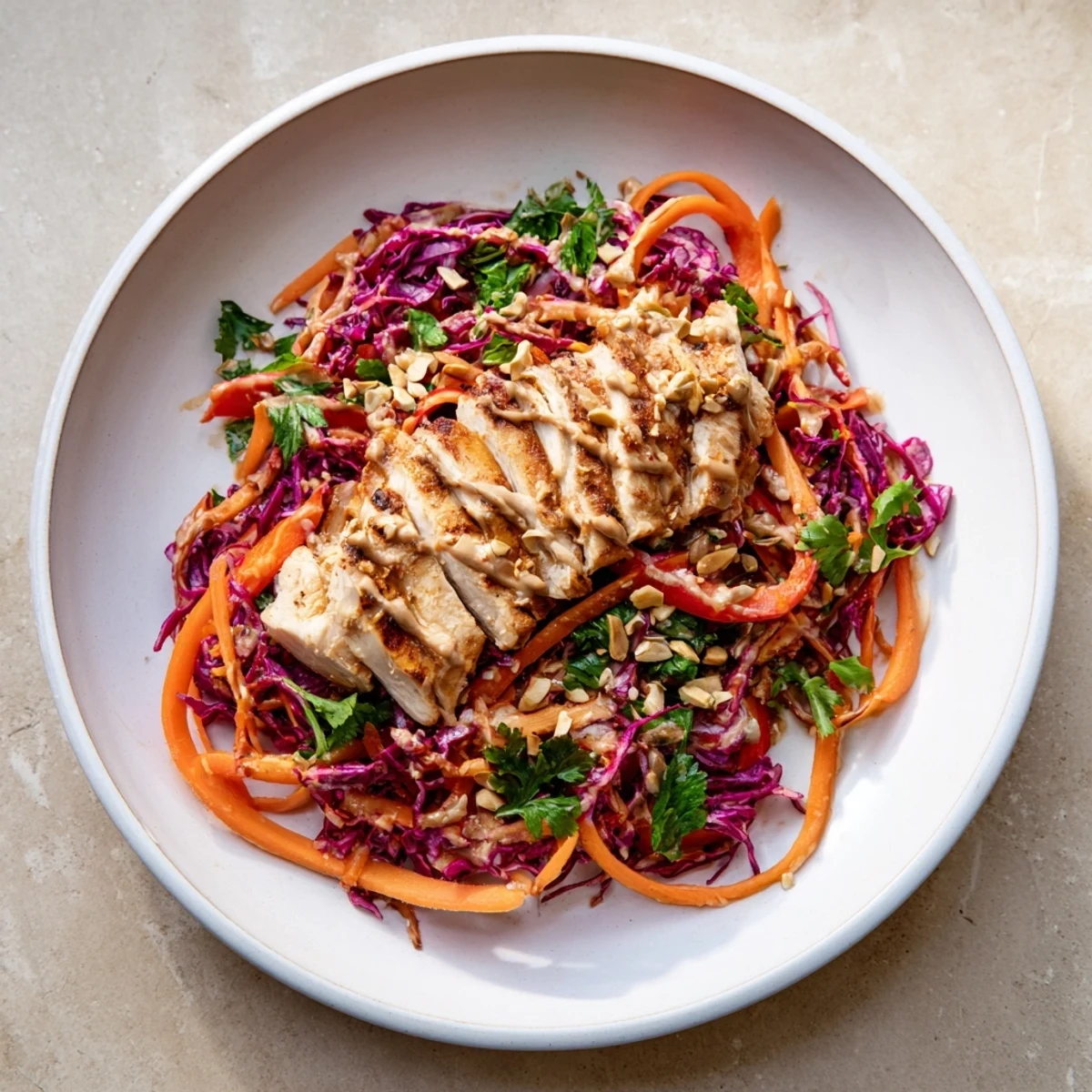
- Slice the rested chicken thinly against the grain, add it to the bowl of vegetables, and pour the dressing over everything. Toss gently with your hands or tongs so every ribbon and slice gets a little coating without bruising the cilantro.
- Garnish and serve:
- Scatter the peanuts and sesame seeds over the top right before you bring it to the table. The crunch is best when it is fresh and has not had time to soften in the dressing.
 Save
Save My dad tried this on a Sunday and said it reminded him of a noodle shop he used to visit in his twenties, even though there are no noodles in it. I think it was the ginger and sesame working together, the way certain smells can pull you back to a place you had almost forgotten. He asked if I could make it again the next weekend, and I did, and now it is just what we do when he visits.
Make It Your Own
I have swapped the chicken for grilled tofu pressed dry and marinated the same way, and it soaked up the flavors just as well. Tempeh works too if you slice it thin and give it a few extra minutes in the pan to crisp up. Sometimes I add cucumber ribbons or a handful of shelled edamame when I want more crunch and a little extra protein without changing the spirit of the dish.
What to Serve It With
This stands alone as a full meal, but I have also served it alongside steamed jasmine rice when someone at the table needed something more filling. A crisp Sauvignon Blanc is lovely if you are pouring wine, but honestly, a tall glass of iced jasmine tea feels just as right and maybe even better on a warm evening when you want something light and refreshing.
Storage and Leftovers
If you know you will have leftovers, keep the dressing separate and store the vegetables and chicken in an airtight container in the fridge. Everything stays crisp for about two days, and you can toss it together right before eating so it tastes just as good as the first time. I have even packed it for lunch, dressing in a small jar, and shaken it all together at my desk.
- The dressing keeps in the fridge for up to a week and gets even better as the flavors marry.
- Leftover chicken can be shredded and tossed into grain bowls or wrapped in lettuce leaves for a quick snack.
- If the carrot ribbons soften, a quick rinse under cold water and a spin in a salad spinner brings back some of the crunch.
 Save
Save This is the kind of recipe that makes you feel capable and a little bit proud when you set it down on the table. It is bright, it is satisfying, and it tastes like you care, which is really all any good meal needs to do.
Recipe FAQ
- → How do I prepare the carrot ribbons?
Use a vegetable peeler to shave peeled carrots into thin ribbons for a delicate texture that blends well with other veggies.
- → Can the chicken be substituted with a plant-based option?
Yes, grilled tofu or tempeh can be used for a vegetarian variation while maintaining protein and texture.
- → What is the best way to make the ginger-miso dressing smooth?
Whisk all dressing ingredients vigorously until creamy and well combined to ensure a smooth consistency.
- → Should the chicken be marinated and for how long?
Marinate the chicken for 10 minutes in soy sauce, sesame oil, ginger, salt, and pepper to infuse flavor before cooking.
- → What garnishes add extra texture to the slaw?
Roasted peanuts and toasted sesame seeds sprinkle a crunchy finish that complements the fresh vegetables and chicken.
- → Is this dish suitable for a dairy-free diet?
Yes, this preparation contains no dairy ingredients and is suitable for dairy-free diets.